



Advantages of using ZTE RRU in LTE networks
In the rapidly evolving telecommunications industry, the introduction of advanced technologies is paramount to meeting increasing data demands. The ZTE RRU (Remote Radio Unit) LTE plays a critical role in enhancing network efficiency, providing solutions to common pain points faced by service providers. With the surge in mobile data traffic and the pressing need for faster, more reliable connections, products like the ZTE RRU are indispensable for optimizing LTE networks and ensuring a seamless user experience. In this article, we will delve into the functionalities of ZTE RRU, examine its widespread application scenarios, and highlight the numerous advantages it brings to LTE networks.
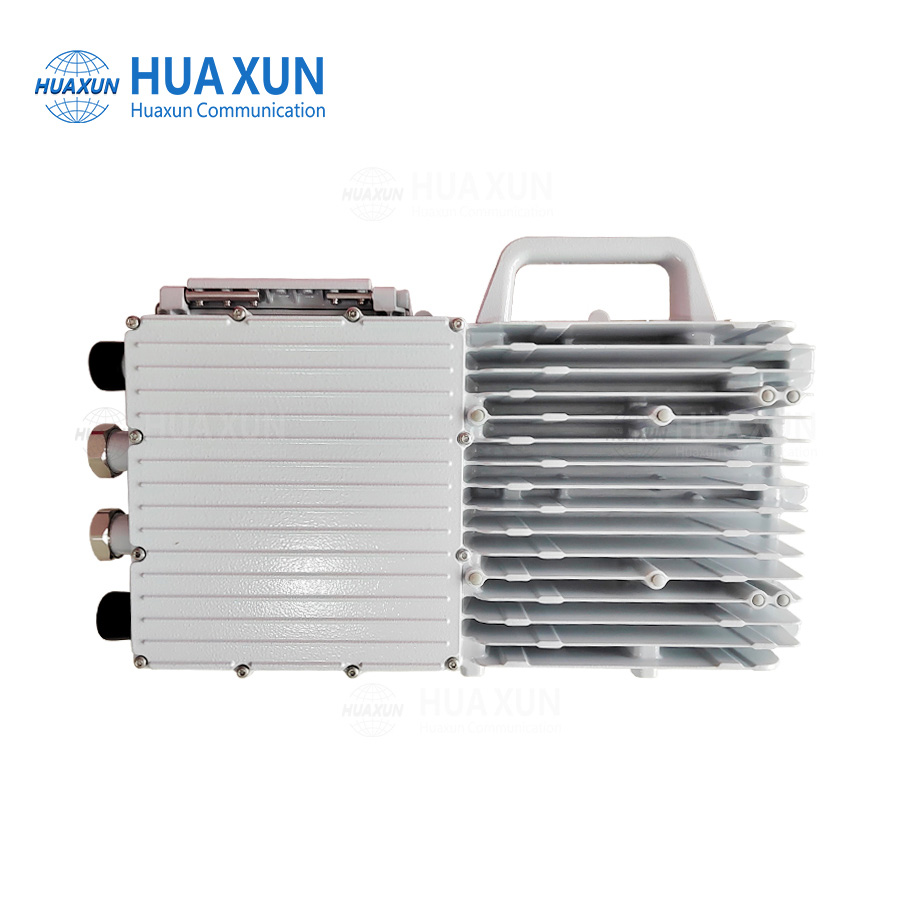
Definition of ZTE RRU and Industry Term Analysis
The ZTE RRU (Remote Radio Unit) is an essential component in modern telecommunications infrastructure. It is a crucial part of the larger LTE (Long Term Evolution) network architecture, amplifying and converting signals between the remote antennas and the baseband units. Industry professionals commonly refer to the RRU as a key player in enhancing the capacity and coverage of cellular networks.
When integrated with MIMO (Multiple Input Multiple Output) technology, the ZTE RRU can significantly improve signal quality, achieving up to a 50% increase in data throughput compared to traditional Single Antenna configurations, as outlined in various studies from telecommunications experts.
Application Scenarios of ZTE RRU in LTE Networks
The ZTE RRU finds applications across numerous sectors where robust connectivity is essential. These include:
Urban Areas: In densely populated cities, the RRU can alleviate congestion by boosting signal strength in high-traffic zones. For instance, cities experiencing a 30% increase in mobile users can see enhanced coverage metrics due to ZTE RRU installations.
Rural Connectivity: The technology ensures reliable connectivity in rural regions, addressing the digital divide and allowing for the delivery of educational and governmental services.
Public Events: Major events, such as concerts or sports games, often overload existing networks. Deploying ZTE RRUs can maintain operational efficiency, accommodating thousands of simultaneous users without degradation in service quality.
Smart Cities: The integration of ZTE RRU into smart city infrastructures allows for seamless communication between devices, supporting IoT applications that require real-time data exchange.
Brief Description of Advantages of ZTE RRU
The importance of using ZTE RRU in LTE networks can't be overstated. Here’s why:
Enhanced Coverage: ZTE RRUs can extend coverage radius by up to 35%, ensuring that users receive strong signals even in challenging environments.
Increased Capacity: By allowing for more simultaneous connections, ZTE RRUs can potentially boost a network's capacity by up to 100% in urban areas, effectively handling increased data traffic.
Energy Efficiency: With energy efficiency improvements of about 20% over conventional RRUs, operators can reduce operational costs while promoting sustainability.
Scalability: ZTE RRUs are designed to be scalable, accommodating future upgrades seamlessly, which is crucial for adapting to the rapid pace of technological advancements.
Next Steps: User Guide and Support
For users and service providers looking to implement ZTE RRU in their LTE networks, we recommend consulting the user guide for detailed installation and operational instructions. This document will assist in maximizing the technology's potential and optimizing the integration process.